
Mangalnath Mandir, Ujjain
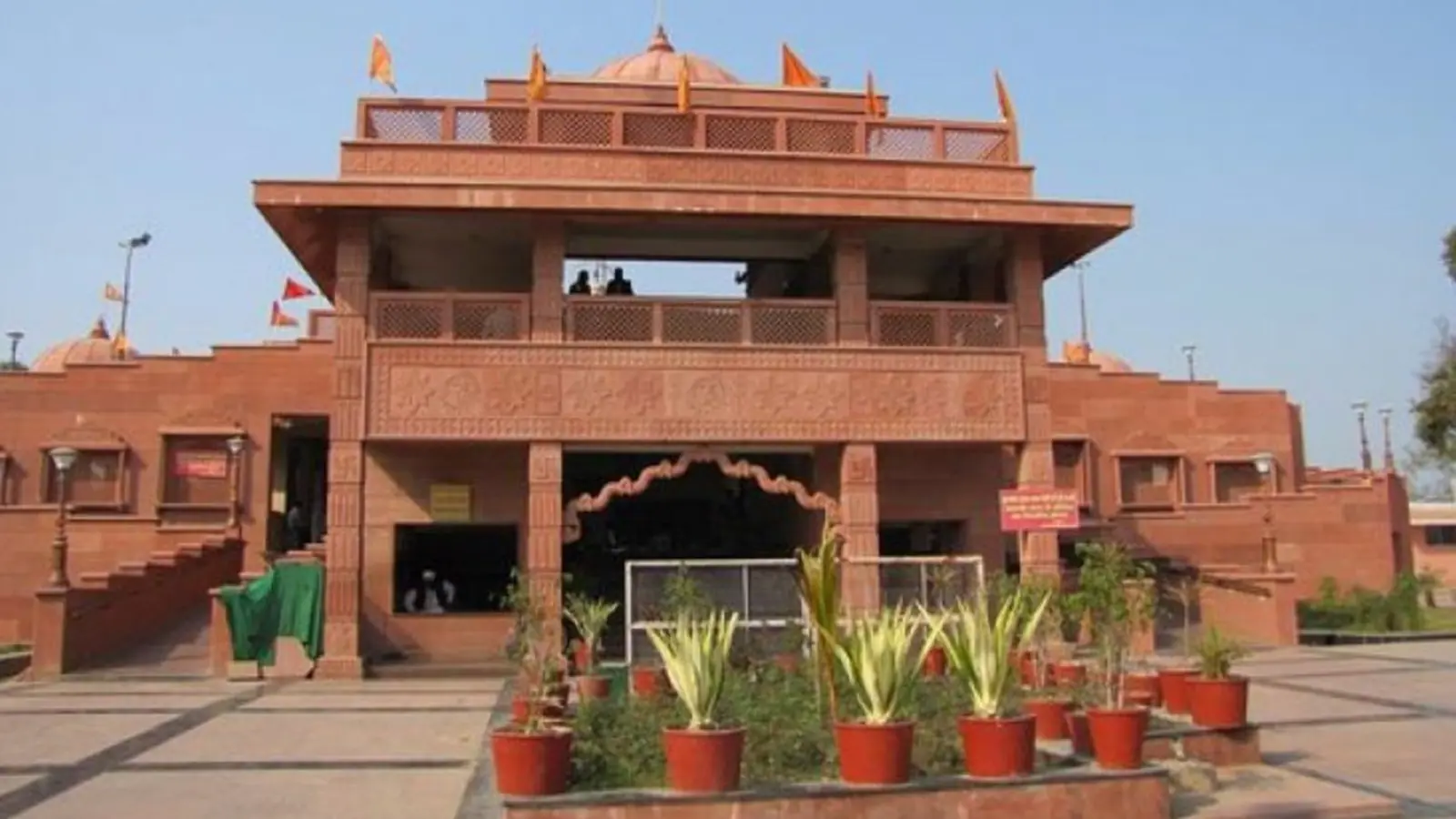
A temple of Lord Shiva on the banks of the Kshipra, worshipped as Mangalnath — the lord of Mangal — at the place the Matsya Purana describes as the birthplace of the planet Mars.
The story of Mangal’s birth
The Puranas tell of a battle in which Lord Shiva fought the demon Andhakasura. A drop of Shiva’s sweat fell to the earth here, and from it Mangal was born — which is why Mangal is called the son of Bhumi, the Earth, and why his nature is described as ugra, or fiery.
The Shivling at this temple is worshipped as Mangalnath, Shiva as the lord of Mangal. For this reason, pujas connected with Mangal in the birth chart have long been performed here.
Ujjain and the Karka Rekha
Ujjain, the ancient Avantika, lies on the Karka Rekha — the Tropic of Cancer — and served for centuries as the prime meridian of Indian astronomy. Its long tradition of jyotish is part of why so many families come here for graha-related pujas.
Mangalnath stands on raised ground above the Kshipra, on Ankpat Marg, a short distance from the old city.
The Mahants of Mangalnath Mandir
Pujas at Mangalnath follow the temple's own parampara — the vidhi, mantras and order of offerings handed down at this seat. Each anushthan is conducted by the temple's Vedic pandits, with the sankalp taken in the name and gotra of the family sitting for it.

The Bhaat Puja tradition
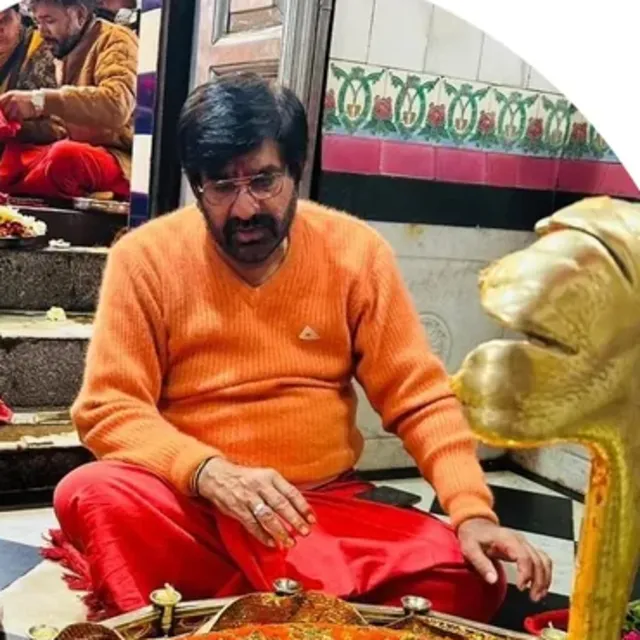
Mangalnath is known above all for the Bhaat Puja, in which cooked rice is offered over the Shivling. Rice is considered cooling, and the offering is made to calm the fiery nature of Mangal. Families come to Ujjain from across India specifically for this ritual.
Plan your puja at Mangalnath
Call with your birth details. The pandit will suggest the puja and a muhurat that suits your chart.