Mangal Dosh Puja
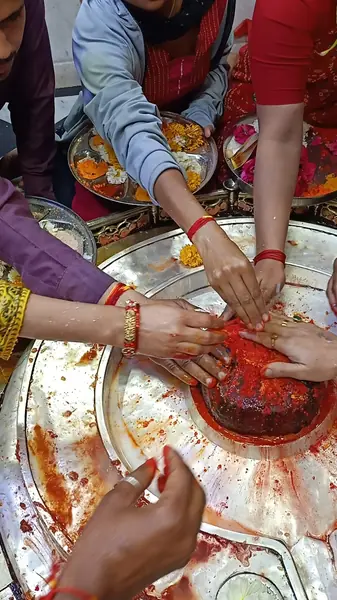
For a birth chart with Manglik Dosh — performed with a kundli-based sankalp at the temple of Mangal.
Read about Mangal Dosh PujaKaal Sarp Dosh is read when all seven grahas fall between Rahu and Ketu in the birth chart. The Nivaran Puja is a Vedic shanti of the Naga devata, performed in Ujjain with a sankalp from your kundli.
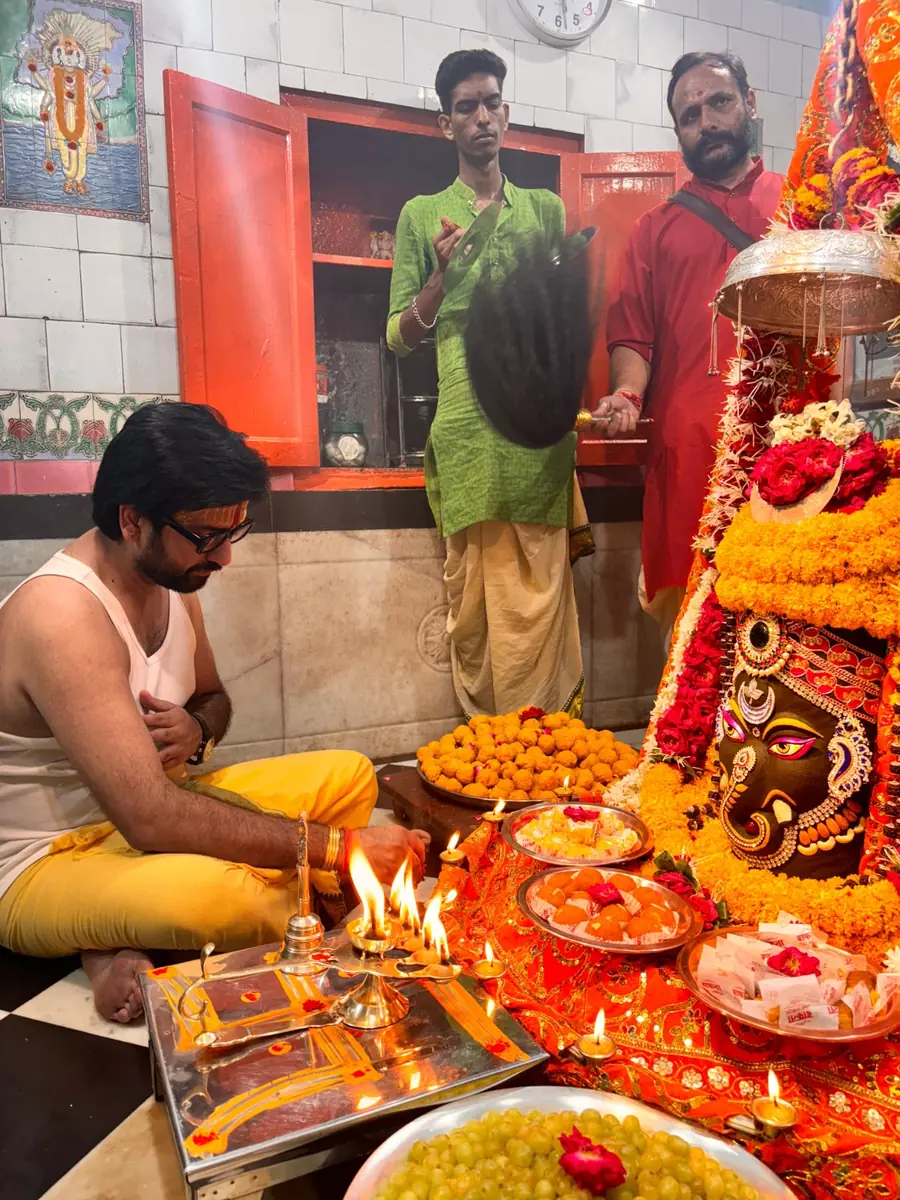
In jyotish, Rahu and Ketu are the head and tail of the serpent. When every other graha sits on one side of the Rahu–Ketu axis, the chart is said to carry Kaal Sarp Yoga.
Twelve forms are named after the house Rahu occupies — Anant, Kulik, Vasuki, Shankhpal, Padma, Mahapadma, Takshak, Karkotak, Shankhachud, Ghatak, Vishdhar and Sheshnag. A chart can also show it only in part, which is why the pandit first checks whether it is complete or partial.
Kaal Sarp Yoga is a placement in the chart, not a curse. Treat the puja as a traditional shanti, done with faith — not as a promise of a specific result.
The exact order and mantras follow the vidhi for your kundli. The pandit explains the full sequence when you book.
Tell us which puja you are looking at and share your date, time and place of birth so the kundli can be read before anything is fixed.
The pandit suggests a suitable muhurat, explains the vidhi, and confirms the dakshina and samagri for your puja before you book.
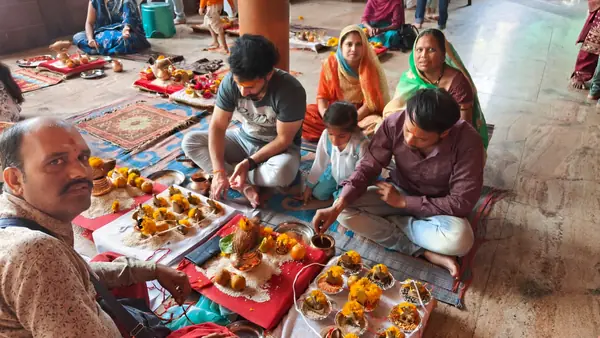
Reach the temple on the day with your family. The samagri is arranged; the sankalp is taken in your name and gotra.
Share your birth details or kundli on the call. The pandit identifies the form by the house Rahu occupies and tells you whether the yoga is complete or partial before suggesting the puja.
Nag Panchami, amavasya and Mondays are traditionally preferred, but the muhurat from your chart comes first. The pandit gives you the nearest suitable dates.
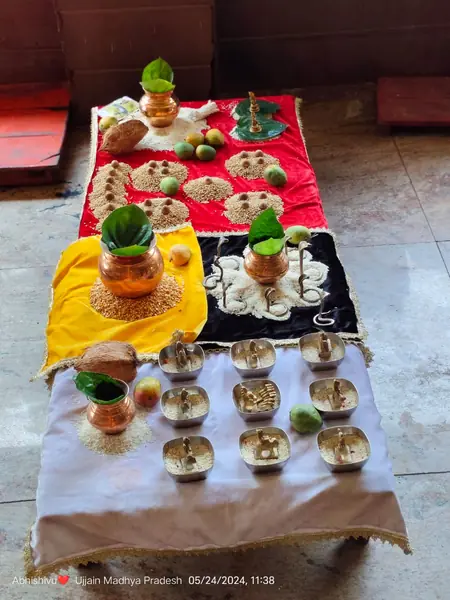
The pandit lists the complete samagri for your vidhi when you book, including the naga–nagin pair if your puja calls for it.
If your chart needs both, the pandit can plan them for the same visit to Ujjain. Mention it on the call so both are planned together.
For a birth chart with Manglik Dosh — performed with a kundli-based sankalp at the temple of Mangal.
Read about Mangal Dosh PujaThe traditional offering of cooked rice (bhaat) on the Shivling, done at Mangalnath for Mangal-related doshas.
Read about Mangal Bhaat PujaOne anushthan for all nine grahas — Surya to Ketu — with their own mantras, offerings and a havan.
Read about Navgraha Shanti PujaShare your birth details on the call — the pandit will confirm the muhurat, the samagri and the dakshina before you book.